


Is It Time to Clean Your Air Ducts? Discover 5 Warning Signs Now
Indoor air quality plays a crucial role in your home's comfort and health. Many homeowners overlook one key component that affects air quality: the air ducts. Over time, dust, allergens, and debris build up inside these ducts, reducing airflow and potentially causing health issues. Knowing when to clean your air ducts can save you money, improve your home's air quality, and enhance your HVAC system's efficiency. Here are five clear signs that your air ducts need cleaning.
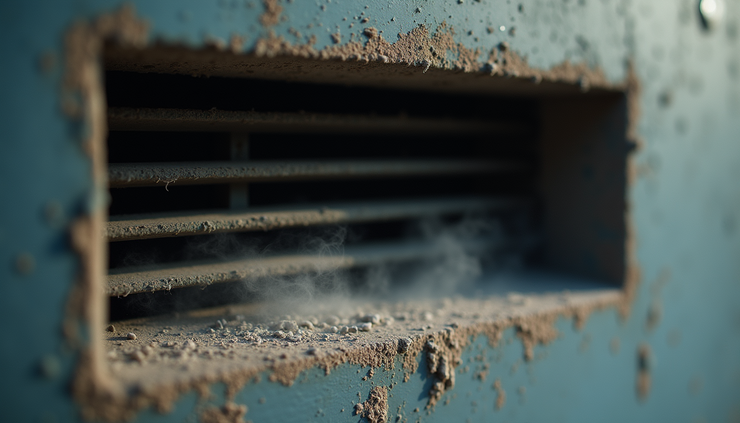
Excess Dust Around Vents
One of the easiest signs to spot is the presence of excess dust around your air vents. If you notice thick layers of dust settling on or near your supply and return vents, it often means dust is circulating through your ductwork. This dust can come from dirt, pet dander, pollen, and other particles trapped inside the ducts.
When dust accumulates, it can reduce the efficiency of your HVAC system by clogging filters and restricting airflow. It also means the air blowing into your rooms carries more particles, which can settle on furniture and floors, requiring more frequent cleaning.
How to check:
Look closely at vents and registers for dust buildup.
Wipe the vent with a cloth; if a thick layer of dust appears quickly, your ducts likely need cleaning.
Notice if dust returns shortly after cleaning, indicating ongoing contamination inside the ducts.
Allergy Symptoms in the Home
If you or your family members experience increased allergy symptoms such as sneezing, coughing, watery eyes, or congestion, your air ducts might be the culprit. Dirty ducts can harbor allergens like dust mites, mold spores, pet dander, and pollen, which circulate through your home’s air.
People with asthma or respiratory conditions may find their symptoms worsen when the ducts are dirty. Even if you regularly clean your home, contaminated ducts can continuously release allergens into the air.
What to watch for:
Allergy symptoms that improve when you leave the house but worsen at home.
Frequent sneezing or coughing without an obvious cause.
Persistent dust on surfaces despite regular cleaning.
Dust Blowing from Supply Vents
When you turn on your heating or cooling system, the air blowing from the supply vents should feel clean and fresh. If you notice dust particles visibly blowing out of the vents, it means your ducts contain a significant amount of dust and debris.
This dust can come from years of buildup inside the ductwork, especially if your home has pets, smokers, or if the ducts have never been cleaned. Dust blowing from vents not only reduces air quality but can also trigger allergies and respiratory irritation.
Tips to identify this sign:
Hold a tissue near the vent and see if dust sticks to it.
Observe if dust particles are visible in the air when the system runs.
Check if the vents feel dusty or dirty to the touch.
Uneven Airflow
Uneven airflow in your home can signal blockages or buildup inside your air ducts. If some rooms feel warmer or cooler than others, or if vents in certain areas blow weaker air, your ducts might be clogged with dust, debris, or even mold.
Blocked ducts force your HVAC system to work harder, increasing energy bills and reducing comfort. Cleaning the ducts can restore balanced airflow and improve your system’s performance.
How to test airflow:
Compare airflow strength by holding your hand near each vent.
Notice if some vents barely blow air while others are strong.
Check if airflow issues persist after changing filters or servicing the HVAC unit.
Musty or Dirty-Smelling Air
A musty or unpleasant odor coming from your vents is a strong indicator that your air ducts need cleaning. This smell often results from mold, mildew, or bacteria growing inside the ducts due to moisture buildup.
Dirty ducts can trap moisture from condensation or leaks, creating an environment for mold growth. Breathing in mold spores can cause health issues, especially for people with allergies or weakened immune systems.
What to do if you notice odors:
Identify if the smell is stronger when the HVAC system runs.
Check for visible mold or water stains near vents or duct openings.
Schedule a professional inspection to assess mold presence and duct condition.

CALL US TODAY TO SCHEDULE YOUR DUCT CLEANING!
ALWAYS FREE ESTIMATES!
Comments